
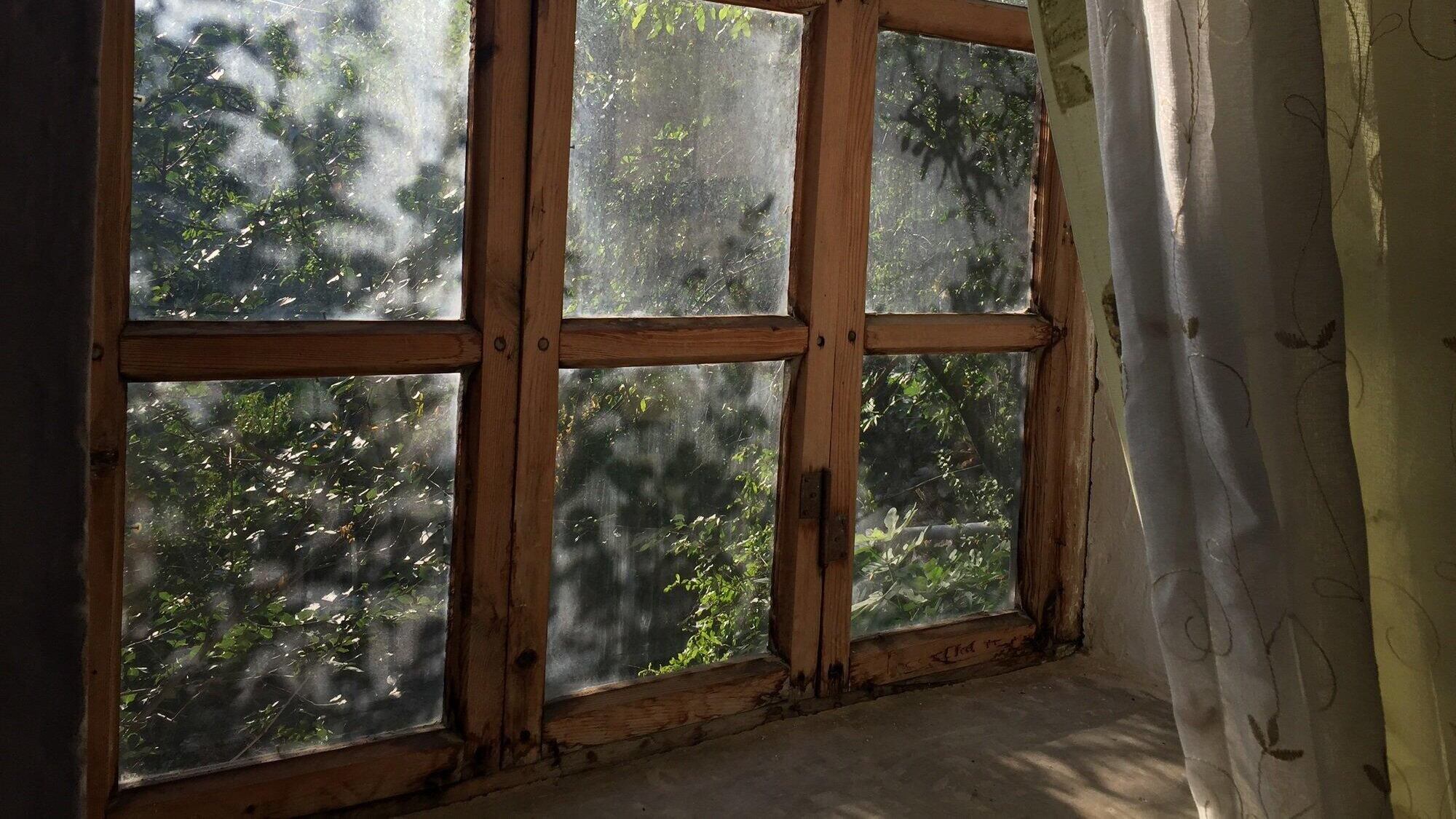
In addition to letting in natural light and fresh air, windows can also give you hints about your home's health before it gets out of hand. For instance, you can check your windows for potential moisture problems, structural movement issues, energy inefficiencies, and more.
While it's important to focus on roofing, plumbing, and related staples, some people don't realize windows are a crucial part of home maintenance. By knowing which small warning signs to look out for, you can save yourself so much money on preventable repairs, not to mention hassle.
Why Are My Windows Showing Signs of Problems?
Windows take the brunt of sunlight, rain, humidity, wind, and temperature fluctuations year in, year out. It should come as no surprise that these conditions can wear down the following and more:
- Seals
- Frames
- Moving Parts
However, changes within the home can also affect how reliably your windows perform. For instance, everything from foundation settling and excessive indoor moisture to subpar ventilation and shifting soil may cause windows to stick. You may even notice leaks and visible damage.
Spotting the earliest signs of window damage allows homeowners to pinpoint the true source of the issues rather than just treating the symptoms.
If you've come across a window that suddenly becomes a pain to open, develops condensation between its panes, or lets noticeable drafts in, then this may be pointing to issues that go beyond the window itself. It's worth unpacking what these signs mean.
What Are Common Warning Signs Your Windows Need Attention?
There are some obvious changes in windows that you don't need to be an expert to notice, as long as you know what to look for.
Stand near your window and see if you feel any cool air even though the window is closed. If you do, it means the weatherstripping has worn out, or the seals have deteriorated beyond the point of no return. Even small gaps can allow precious conditioned air to escape while outdoor air penetrates the home.
Not only will this reduce your comfort, but drafts also increase heating and cooling costs. This happens because HVAC systems must work extra hard to keep indoor temperatures consistent.
Condensation Between Glass Panes
Double-pane or triple-pane glass windows have their advantages, but they're not immune to wear and tear. In fact, moisture can get trapped between the glass panes, which is a sign that the insulating seal no longer works.
Unlike condensation that forms on the inside of a window during humid weather, fog between panes isn't something you can simply wipe away. The failed seal will reduce your insulation performance more and more as temperatures rise and fall throughout the year, and it'll only get worse until you replace it. Worst of all, condensation can lead to a major mold problem if left unaddressed.
Difficulty Opening or Closing Windows
No matter their age, windows should open and close as smoothly as butter. If you notice resistance, this could be due to the following reasons:
- Warped frames
- Swelling caused by moisture
- Slight movement within the home's structure
Either way, ignoring sticking windows can eventually lead to further wear on the window's materials. It also makes emergency exits more difficult if there's a fire, for instance.
Rotting Wood or Damaged Frames
With prolonged exposure to moisture comes the spread of rot. Wooden frames, in particular, can start to soften, crack, and discolor. It won't be long until these issues compromise the structural integrity of the window's components.
The dampness of the wood can even attract pests, such as silverfish, termites, and cockroaches.
While it's true that vinyl and composite windows are less susceptible to rot, you should still inspect them for cracks or separation around joints.
Cracked Glass and Broken Seals
Whether due to impacts, temperature changes, or just a home's gradual settling, cracks can develop in one or more windows. Even the smallest cracks can contribute to reduced insulation and can become a bigger problem over time.
Broken seals around the frame may also allow water to come in through wall cavities. This often serves as the first step toward conditions that accelerate mold growth and other hidden damage that call for window replacement indicators.
How Often Should You Inspect Your Windows?
It's a good idea to adopt a seasonal approach to window inspection. Doing this is one of the easiest ways to catch developing problems before they demand costly repairs.
During each inspection, look for the following:
- Cracked or peeling caulk
- Damaged weatherstripping
- Foggy glass
- Water stains around frames
- Soft or deteriorating wood
- Loose locks or hardware
- Torn screens
- Dirt blocking drainage openings
Regular inspections from Reece Window experts in Orlando also help homeowners prioritize early maintenance.
Frequently Asked Questions
Is Condensation on Windows Always a Bad Sign?
Not necessarily. Condensation on the inside surface of the glass tends to happen when warm indoor air meets a cold window. As such, it may simply indicate high indoor humidity.
Improving ventilation or using a dehumidifier can usually reduce this type of condensation. Moisture trapped between panes, however, almost always points to a failed seal, which reduces the window's insulating performance. Cleaning the glass won't resolve it.
How Long Do Residential Windows Normally Last?
Most residential windows last between a couple of decades and 40 years. The exact timeframe depends on the following:
- Materials
- Installation quality
- Local climate
- The level of maintenance they receive
Vinyl, fiberglass, wood, and aluminum windows each have different life expectancies. Still, regular cleaning, inspections, and immediate repairs can go a long way toward improving home value.
Can Bad Windows Increase My Energy Bills?
Indeed. Everything from air leaks and deteriorated seals to poor insulation allows conditioned air to escape while outdoor temperatures affect indoor comfort. Heating and cooling systems must work harder to compensate, which causes higher monthly utility costs.
Maintaining Your Windows Is Part of Having a Sound Home
While it's easy to overlook windows, they're crucial to the functionality of one's home. Don't forget to take a close look at the insulation and molding each season.
We're here to provide you with direct news and updates as soon as they're available. From homes and businesses to the broader world, we cover all the crucial topics. Stay informed by following our social media accounts or subscribing.
This article was prepared by an independent contributor and helps us continue to deliver quality news and information.